How to Start a Podcast: A Beginner's Step-by-Step Guide
Ready to launch your own show? Discover how to start a podcast from scratch with our step-by-step beginner's guide covering gear, planning, and distribution.
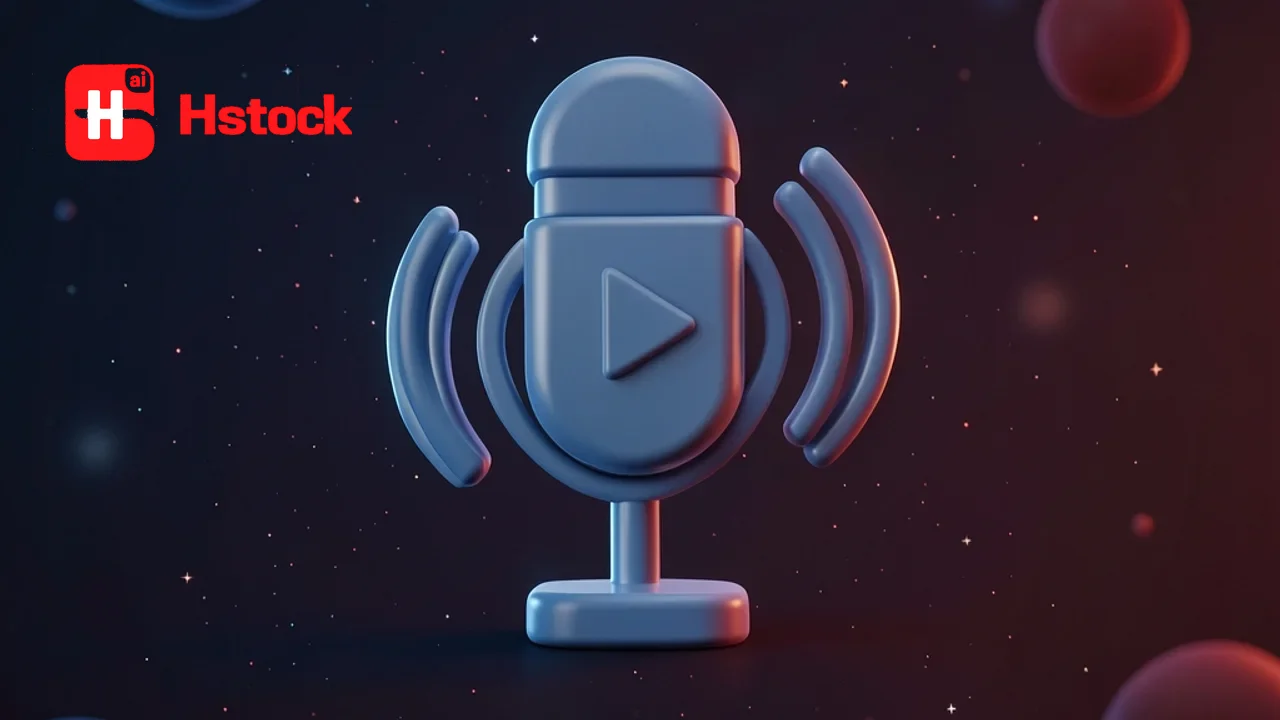
Why Start a Podcast in 2026?
Audio content is more popular than ever. Whether you want to build a personal brand, market your business, or simply share your passion with the world, podcasting is one of the most effective and intimate ways to connect with an audience. Unlike written content or long-form video, podcasts fit seamlessly into your listeners' daily routines—whether they are commuting, working out, or doing chores.
But if you have never recorded an audio file in your life, the process of launching a show can feel overwhelming. Starting a podcast does not have to be complicated or expensive. This step-by-step guide will take you from a blank page to your very first published episode.
Step 1: Define Your Niche and Target Audience
Before you buy a microphone or write a script, you need to answer two critical questions:
- 1What is your podcast about?
- 2Who is it for?
Trying to appeal to everyone usually results in appealing to no one. Instead, focus on a specific niche. For example, instead of a broad "marketing podcast," you could start a "TikTok marketing podcast for local business owners."
Brainstorming with AI
If you are struggling to narrow down your topic or brainstorm catchy episode ideas, modern artificial intelligence tools can fast-track your preparation. Using AI to generate show outlines, episode titles, and even scripts can save you hours of prep time. To get the most out of these tools, check out our guide on the ChatGPT Plus Price or secure a premium workspace with a ChatGPT Plus 1 Month Private Account to optimize your creative workflow from day one.
Step 2: Choose Your Format and Show Details
Consistency is key in podcasting, and your format dictates how much time you will spend producing each episode. Choose a setup that fits your schedule:
- Solo Shows: Just you and the mic. Easy to schedule and edit, but requires you to keep the energy up alone.
- Co-hosted Shows: Great for natural banter and shared workload, but requires scheduling coordination.
- Interview Shows: You bring on guests to share their expertise. Excellent for networking and leveraging the guest's audience for growth.
Naming Your Podcast
Your title should be memorable, easy to spell, and descriptive. If you have an established brand, you can use your name (e.g., The Joe Rogan Experience). Otherwise, opt for something searchable that immediately tells the listener what to expect (e.g., The Creative Writing Podcast).
Step 3: Source the Right Gear and Software
You do not need a multi-thousand-dollar studio setup to start. In fact, overcomplicating your gear early on is one of the biggest reasons beginner podcasters quit.
Essential Hardware
- Microphone: Avoid using your computer's built-in mic. A budget-friendly USB microphone like the Audio-Technica ATR2100x or the Samson Q2U plugs directly into your computer and offers excellent sound quality.
- Headphones: Any pair of closed-back headphones will work to prevent audio bleed (hearing your guest's voice through your mic).
- Pop Filter: A cheap foam cover or mesh pop filter will prevent harsh "P" and "B" sounds from clipping your audio.
Recording & Editing Software (DAWs)
- Audacity: A free, open-source audio editor perfect for beginners on Windows or Mac.
- GarageBand: Free and pre-installed for Mac users; very user-friendly.
- Descript: An innovative, text-based editor where you can edit your audio by simply editing the auto-generated transcript.
Step 4: Record and Edit Your First Episode
Your first episode shouldn't be perfect—it just needs to be done. Follow these tips for a smooth recording session:
- Find a quiet room: Avoid rooms with hard surfaces, hardwood floors, or lots of windows, as they cause echo. A carpeted bedroom or even a walk-in closet full of clothes makes an excellent makeshift recording booth.
- Write an outline: Do not read word-for-word from a script, as it can sound robotic. Instead, write down bullet points to keep your thoughts organized.
- Keep editing minimal: Cut out major mistakes, long pauses, or loud background noises, but don't obsess over removing every single "um" or "uh." Natural speech patterns make you sound human.
Going Multi-Media: Video Podcasting
Video podcasts are exploding on platforms like YouTube. Recording a video version of your podcast alongside your audio is a fantastic way to reach a broader audience. To study how top-tier creators structure their video layouts, set transitions, and pace their shows without annoying ad interruptions, consider getting YouTube Premium for uninterrupted, ad-free research.
Step 5: Choose a Podcast Host and Distribute
You cannot upload your podcast directly to Spotify or Apple Podcasts. Instead, you must upload your files to a podcast hosting platform. The host stores your audio files and generates an RSS feed.
Popular hosting platforms include:
- Spotify for Podcasters (Free)
- Buzzsprout (Very beginner-friendly)
- Libsyn (One of the oldest and most reliable)
Once you set up your hosting account, you will copy your RSS feed link and submit it to major directories like Apple Podcasts, Amazon Music, and Spotify. You only have to do this once. After your feed is connected, any new episode you publish on your host will automatically update on all major platforms.
Speaking of Spotify, staying on top of podcasting trends on the platform is crucial. If you listen to a lot of industry-specific shows to keep your pulse on competitor formats, look into ways to get Spotify Premium cheap to listen offline and ad-free.
Step 6: Build Your Community and Promote
Launching your podcast is only half the battle; now you need to find your listeners.
- Social Media Snippets: Cut your episodes into 30-to-60-second video clips (shorts or reels) to share on TikTok, Instagram, and YouTube Shorts.
- Build a Community: Encourage your listeners to interact with you outside of the audio player. Setting up a dedicated Discord server is an amazing way to host live Q&As, share episode resources, and build a die-hard fan base. To make your community space feel premium with custom emojis, high-quality audio channels, and fun perks, check out how to upgrade your server with Discord Nitro.
Your Podcast Journey Starts Today
The most difficult step in starting a podcast is hitting the record button for the first time. Don't let imposter syndrome or technical worries hold you back. Grab a budget microphone, map out your first three episode ideas, and start sharing your voice with the world!
More Articles
Ultimate YouTube Video Promotion Guide: Boost Your Views
Learn how to promote your YouTube videos with our step-by-step strategies. Discover insider tips to boost reach, engagement, and subscribers today.
VPS for Social Media Automation: The Ultimate Guide
Discover how using a VPS can supercharge your social media automation safely and efficiently. Learn the best strategies to scale your accounts 24/7 without risking bans.
Why Buy a Google Voice Account? Benefits & Guide
Discover why buying a Google Voice account is the perfect solution for privacy and business scaling. Learn how to set it up and use it effectively.